


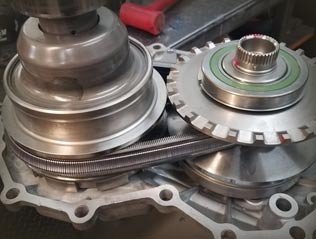

When it comes to modern vehicles, automatic transmissions are a crucial component in ensuring a smooth driving experience. Unlike manual transmissions, which require the driver to shift gears manually, automatic transmissions take on this responsibility, allowing for seamless gear changes and improved convenience. In this blog post, we will delve into how automatic transmissions work and some common issues that can arise over time.
How Automatic Transmissions Work
Automatic transmissions utilize a complex system of gears, hydraulic systems, and electronic controls to shift gears automatically depending on the vehicle’s speed and load. At the heart of this system is the torque converter, which serves as the link between the engine and the transmission. The torque converter allows the engine to spin independently of the transmission, providing the necessary torque to move the vehicle smoothly without stalling.
The core components of an automatic transmission include:
1. Planetary Gear Sets: These are the building blocks of automatic transmissions. They consist of a central gear (the sun gear), outer gears (planet gears), and a ring gear. By varying the arrangement and engagement of these gears, the transmission can provide different gear ratios for various driving situations.
2. Hydraulic System: Hydraulic fluid is used to control the shifting of gears within the transmission. The fluid pressure, regulated by various pumps and valves, engages or disengages clutches and bands that hold the gears in place, effectively changing the gear ratio.
3. Electronic Control Unit (ECU): Modern automatic transmissions rely heavily on electronic controls to optimize performance. The ECU monitors data from various sensors, such as vehicle speed, engine load, and throttle position, to determine the appropriate time for gear shifts, enhancing fuel efficiency and performance.
4. Valve Body: This is a critical component that directs the flow of hydraulic fluid in the transmission. It acts as a control center, managing the engagement of clutches and bands according to input from the ECU.
Common Issues with Automatic Transmissions
Despite their advanced engineering, automatic transmissions can encounter issues that may compromise their functionality. Here are several common problems:
1. Slipping Gears: If the transmission seems to slip out of gear or has difficulty maintaining gear engagement, this could indicate low transmission fluid levels or worn-out internal components.
2. Delayed Shifting: A noticeable delay when shifting gears can result from problems with the hydraulic system or faulty sensors. This delay might lead to increased wear on the transmission over time.
3. Overheating: Transmission fluid plays a critical role in cooling the transmission. If the fluid is low or degraded, it can lead to overheating, which may cause serious damage. Regular fluid checks and changes are vital in preventing this issue.
4. Fluid Leaks: Noticeable leaks under the vehicle can indicate a problem with seals or gaskets within the transmission. Addressing these leaks promptly is crucial for maintaining transmission health.
5. Grinding or Shaking: Unusual noises, such as grinding or shaking during gear shifts, signal serious internal problems. These symptoms warrant immediate inspection from a qualified mechanic.
Conclusion
Automatic transmissions are intricate systems that facilitate a more comfortable driving experience. Understanding how they work can help vehicle owners better recognize early signs of trouble, allowing for proactive maintenance. Regular checks on fluid levels, timely servicing, and being alert for any unusual behaviors can extend the life of your vehicle’s transmission, ensuring a smooth ride for many miles to come.
If you have any questions or concerns about your automatic transmission, please don’t hesitate to contact us at Quality Certified Transmissions (812) 323-7777. Our team is here to assist with all your automotive needs!